Rug Pull Explained How Meme Coins Are Manipulated
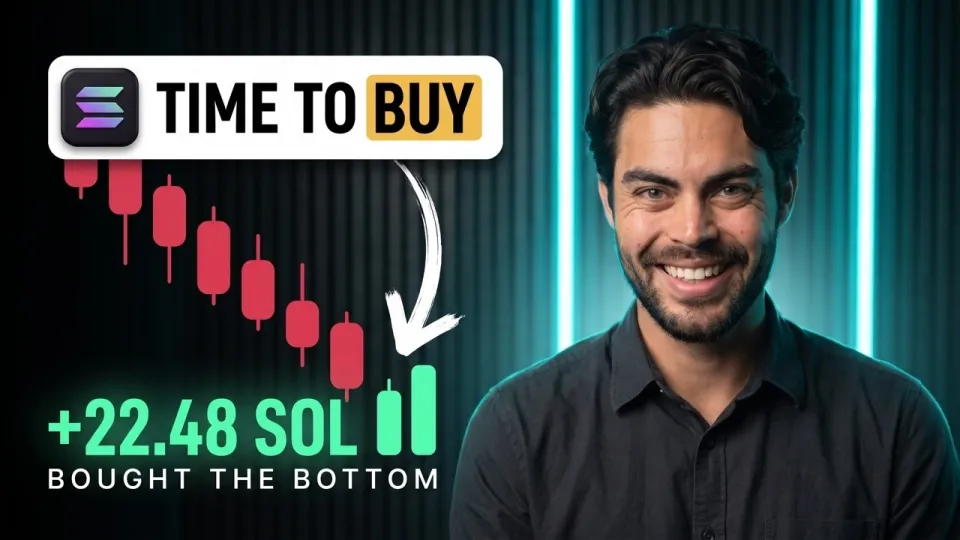
Video: Rug Pull Guide How to Launch a Meme Coin in 2026
· based on the channel The Jequiz
Key takeaways
- Rug pulls involve developers withdrawing liquidity and crashing token prices
- Meme coins on Solana use platforms like pump.fun and Raydium for launch
- Liquidity manipulation is key to rug pull schemes and price pumps
- Developers control token supply and authorities to enable rug pulls
- Recognizing red flags helps investors avoid scams in meme coin trading
A rug pull is a type of crypto scam where developers create and launch meme coins, attract investors, then abruptly withdraw liquidity, causing the token price to crash and leaving holders with worthless assets. This practice is especially prevalent in meme coin markets on blockchains like Solana, where launching tokens and managing liquidity is relatively easy through platforms like pump.fun and Raydium.
What Is a Rug Pull in Meme Coin Trading
A rug pull occurs when the project creators suddenly remove liquidity from a token’s trading pool, often on decentralized exchanges (DEXs), which leads to a sharp drop in token price. Investors who bought into the coin expecting value growth find themselves unable to sell or stuck with worthless tokens. Rug pulls exploit the trust and hype around meme coins, which typically have little intrinsic value.
How Meme Coins Are Created and Launched on Solana
Launching a meme coin on Solana involves several technical steps:
- Token Creation: Developers create a new SPL token with a fixed or mintable supply.
- Authority Setup: The creator controls the token mint authority and liquidity control keys.
- Liquidity Deployment: Tokens and SOL (Solana’s native coin) are paired and added as liquidity on DEXs like Raydium or pump.fun.
- Marketing and Hype: Meme coins rely heavily on social media and community hype to attract investors.
Once liquidity is added, the token becomes tradable. However, if the developers hold the liquidity pool tokens, they can withdraw liquidity at any time, enabling a rug pull.
Common Rug Pull Patterns and Red Flags
Recognizing rug pulls requires understanding typical warning signs:
- Developer-Controlled Liquidity: If the liquidity pool tokens are held by the developers, they can remove them anytime.
- No Lock or Vesting: Legitimate projects often lock liquidity for months; lack of locks is suspicious.
- High Token Mint Authority: If developers retain the ability to mint unlimited tokens, it can lead to inflation and price manipulation.
- Unverified or Anonymous Teams: Unknown developers reduce accountability.
- Rapid Price Pumps Without Fundamentals: Sudden price surges often indicate pump-and-dump schemes.
How Liquidity and Token Prices Are Manipulated
Liquidity manipulation is central to rug pulls:
- Developers add liquidity to a pool to allow trading.
- They promote the token to increase demand and price.
- Once the price rises, developers remove the liquidity pool tokens, effectively draining the market.
- With no liquidity, holders cannot sell, crashing the price.
Additionally, controlling the mint authority allows creators to inflate supply to dilute value or manipulate price charts.
Essential Security Checks Before Investing in New Tokens
Investors can reduce risk by performing these checks:
- Verify if liquidity is locked and for how long.
- Check if the token mint authority has been renounced or limited.
- Research the development team’s credibility and project transparency.
- Review the token’s contract code and audit status if available.
- Use token analytics platforms to monitor liquidity movements and holder distribution.
Typical Questions Around Rug Pulls
Many investors wonder how to identify a rug pull early and whether all meme coins are risky. Understanding the technical setup helps distinguish risky projects from legitimate ones.
Conclusion
Rug pulls remain a significant risk in meme coin trading, particularly on Solana where token creation and liquidity management are accessible. By understanding how rug pulls work—from token launch, liquidity manipulation, to developer control—investors can identify red flags and protect their funds. The Jequiz channel provides valuable guides explaining these mechanisms in detail to foster safer crypto investing and development practices.
Source: Rug Pull Guide How to Launch a Meme Coin in 2026 · Markdown version
Questions & answers
What exactly is a rug pull in crypto trading?
A rug pull is a scam where developers create a cryptocurrency token, add liquidity to enable trading, then suddenly withdraw that liquidity, causing the token price to collapse and leaving investors with worthless tokens.
How can I tell if a meme coin launch might be a rug pull?
Warning signs include developer-controlled liquidity pool tokens, no liquidity lock, ability to mint unlimited tokens, anonymous teams, and rapid unexplained price pumps. Checking these factors helps identify risky projects.
Can rug pulls be prevented by technical means?
Yes, locking liquidity tokens for a set period, renouncing mint authority, and auditing smart contracts can reduce rug pull risks, but investors must still perform due diligence and monitor project behavior.
Are all meme coins likely to be rug pulls?
No, not all meme coins are scams, but many are high risk due to speculative nature and ease of creation. Careful research and understanding of tokenomics and developer controls are essential before investing.